
More polarisation please!
How the European Parliament finally became less boring

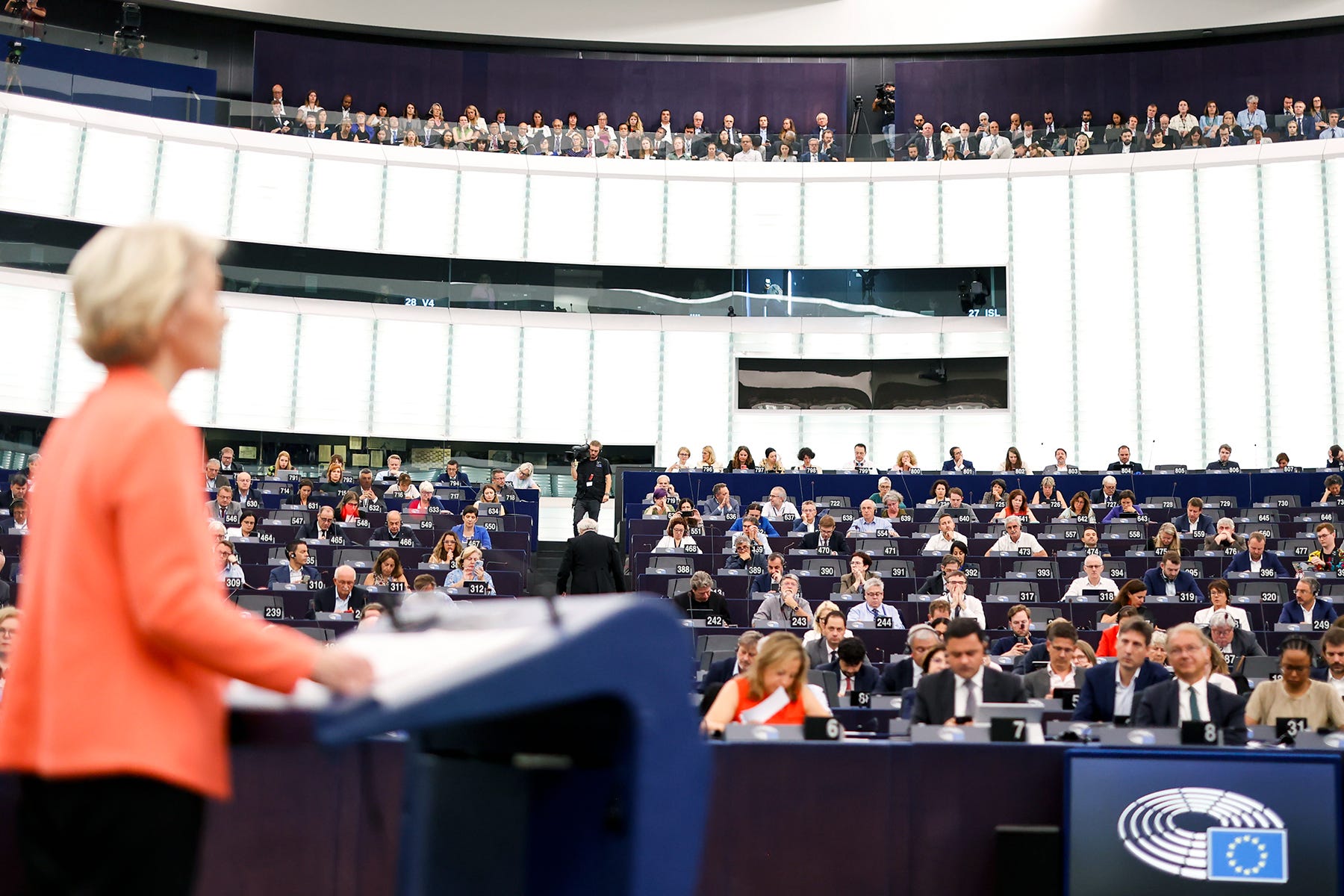
Have you ever tuned in to a European Parliament debate? Even as a self‑confessed EU nerd, I only watched because I ‘had to’. The truth is, the European Parliament is painfully dull, and there’s barely any actual debate.
But this week in Strasbourg, where almost all EP plenary sessions take place, it finally got interesting. On Monday, MEPs debated and today they voted on a motion of censure against the President of the European Commission, German Christian Democrat Ursula von der Leyen. The Commission is the institution that comes closest to EU “government,” responsible for day‑to‑day administration. It’s exceptionally rare for Parliament to table such a motion. The last one was in 2014.
The motion was put forward by a Romanian right‑wing conservative and focused on von der Leyen’s conduct during the COVID pandemic and lack of transparency. In 2021 she spoke directly to Pfizer’s CEO about a vaccine deal. The EU eventually placed a €35 billion order with the company. Yet she’s refused to hand over her SMS exchanges to the New York Times, fueling what’s been dubbed “Pfizergate.”

Two months ago, the European Court of Justice reprimanded her, saying the Commission withheld text messages about vaccine purchases on insufficient grounds. Those messages could hold vital information. And without transparency, there’s no proper oversight, for instance by the European Parliament.
The motion called for the entire Commission to resign, because von der Leyen won’t release the communication. It was defeated by a wide margin: 175 in favor, 360 against, 18 abstentions.
Still, something interesting, and positive for democracy happened this week in Strasbourg. EU politics and the European Parliament’s usual drive for consensus finally became more political. It became clearer what the groups actually stand for, where they differ, and how they see Europe’s future
Criticism not only from far-right
“Attack is the best defence,” von der Leyen must have thought. On Monday she accused radical‑right MEPs of spreading conspiracy theories “fed by Putin”, arguing the motion aimed to weaken the EU.
But when other group leaders spoke after von der Leyen, few even mentioned “Pfizergate.” Instead, the debate became a performance review of her leadership over the Commission. More importantly, the other political families outlined their visions for EU priorities and highlighted their differences.
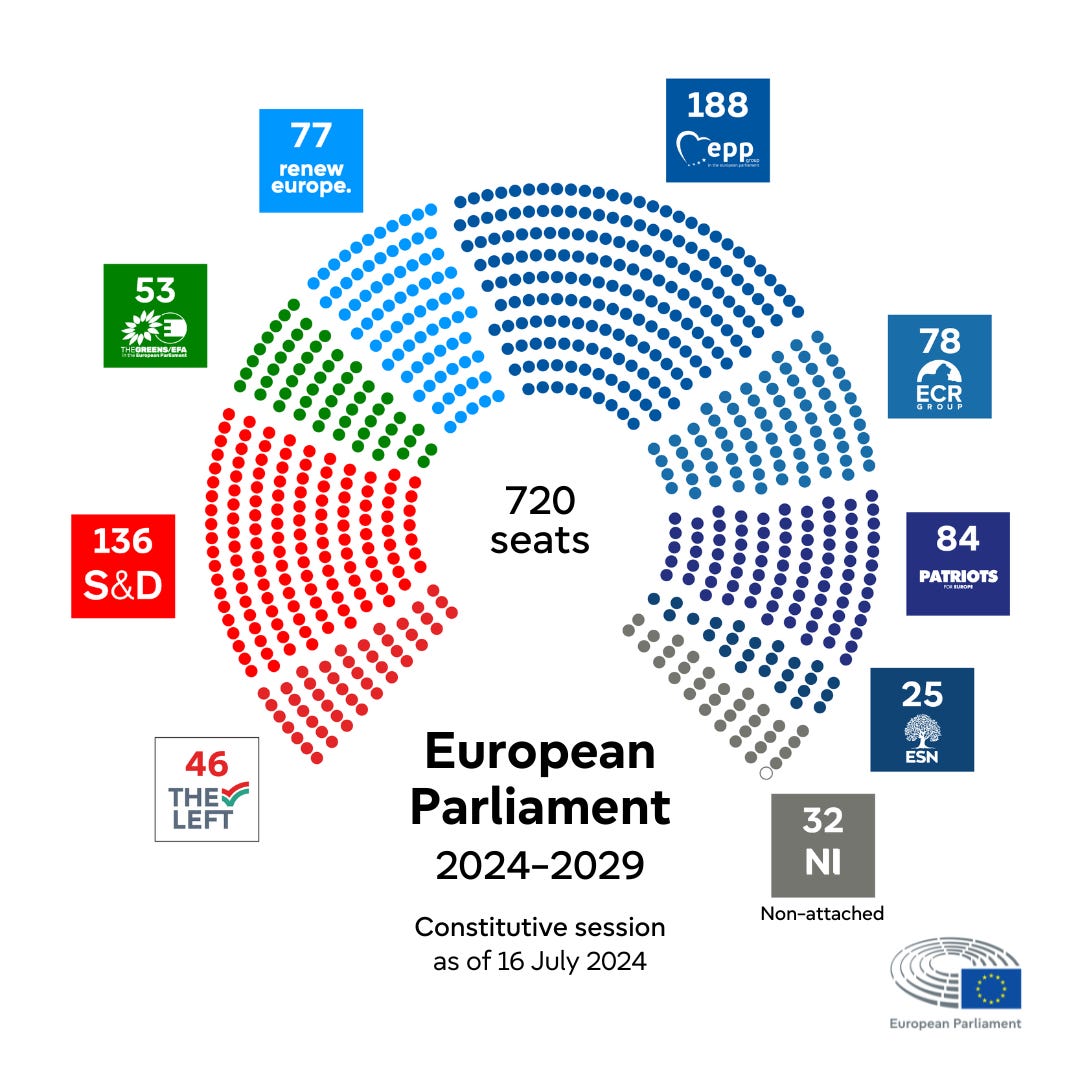
Liberals and social democrats criticized the EPP, von der Leyen’s group, for increasingly teaming up with parties to its right, watering down or rolling back climate laws. They also noted joint votes on migration rules, like when they called to use the EU budget to build border walls.
And that criticism came from ‘allies’ of the EPP and von der Leyen. Unlike national politics, the EU has no formal coalition. Although in November the three biggest EP groups agreed to work together, and although they vote the same on most legislation, majorities still shift issue by issue.
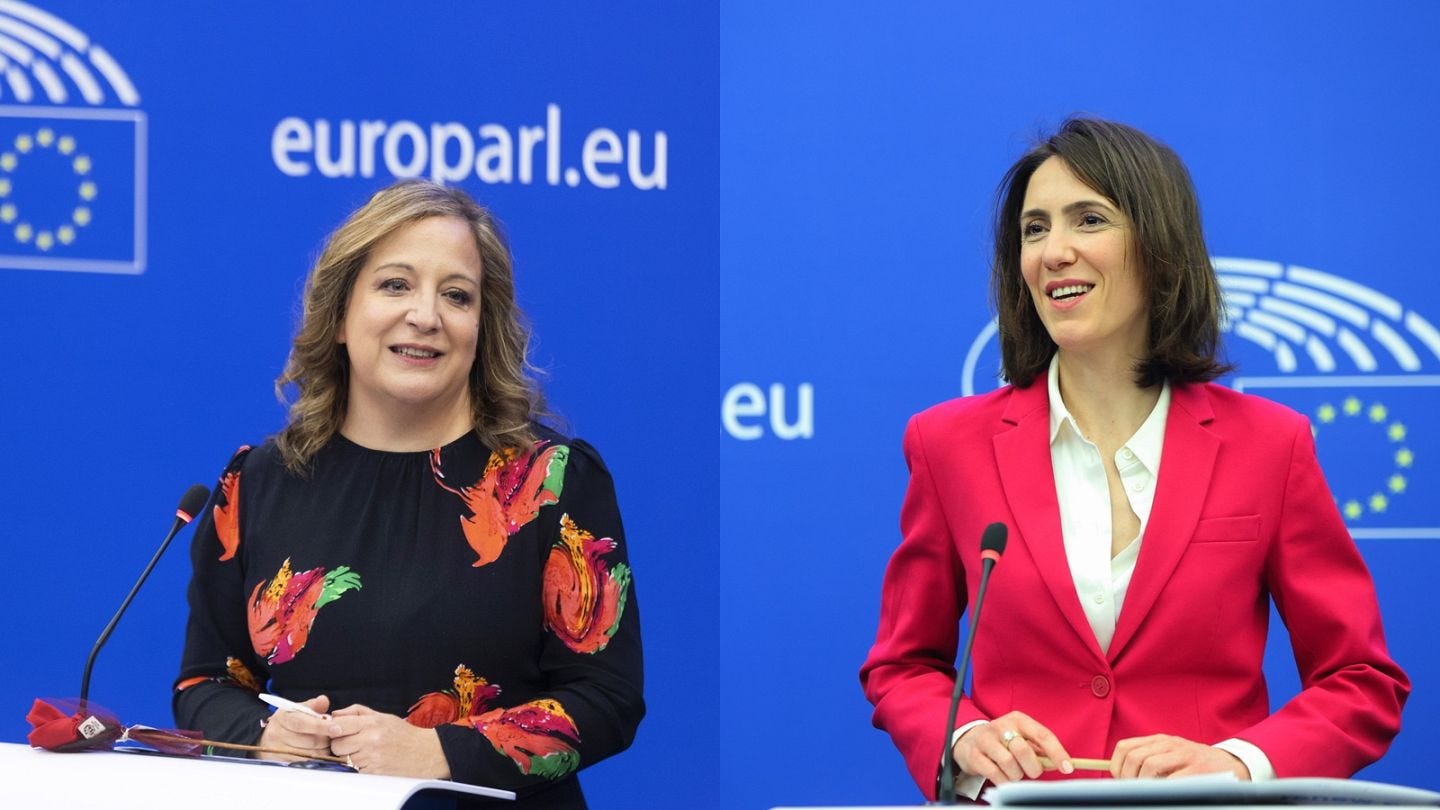
So in the EP’s usual consensus‑machine, social democrat Iratxe García’s words struck hard: “Respect the legislative agreement. Respect your word. And if you betray it again, let it be clear: social democracy will lead the resistance.” The liberal leader snapped back: “Get a grip.”
For once, the European Parliament took its job of holding the Commission to account seriously. If there’s one task he EP neglects, it’s scrutiny. And for once there was genuine ideological debate
Why the European Parliament is so dull - and why it harms democracy
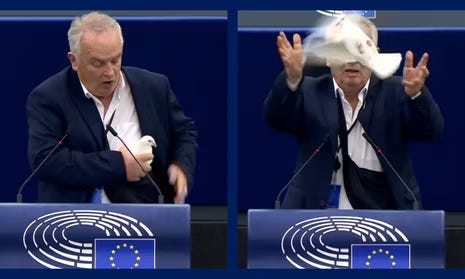
If you’ve ever caught part of an EP session, it’s probably been because of some stunt: the Slovenian who released a pigeon in the plenary or the Pole who disrupted the Auschwitz memorial. YouTube clips that do get views are usually shouting matches, like Brexiteer Nigel Farage versus Guy Verhofstadt.
I’ve never tried, but I suspect the EP livestream would cure insomnia faster than any ASMR video. Plenary sessions aren’t exactly showcases of rhetoric, eloquence, or political drama
And they can’t be, because MEPs rarely truly debate each other. In Strasbourg they each get a minute or two to speak, almost never responding to earlier points. Good for social‑media soundbites, but it isn’t a debate.
Plus, much of the agenda is highly technical, which depoliticizes it. There’s broad agreement on areas like transport or the single market. Don’t expect fiery exchanges on reducing by-catch of common dolphins, Greenland‑Denmark fishing agreements, or a report on Mongolia.
The Parliament also lacks teeth to hold the Commission to account. National parliaments can sack ministers; the EP can only dismiss the entire Commission, and that requires a two‑thirds majority. It can’t adopt binding motions forcing the Commission to adopt or scrap specific policies. MEPs “question” commissioners, but they read prepared answers, aren’t interrupted, and often don’t even hold the portfolio they’re talking about.
The absence of a real opposition, where centrist groups see themselves as “pro‑Europe” against “anti‑Europe” fringes, doesn’t help either. Many MEPs fear criticizing the Commission undermines EU cooperation and public trust.
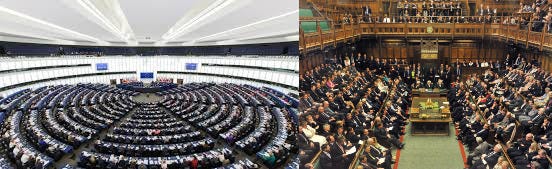
But is it really a problem that the EP is boring? One might argue that the quieter a parliament, the better. And that sensationalism in national politics mainly feeds the media circus and politicians’ egos. The EP focuses more on substance, negotiation, and compromise.
Yet these MEPs debate and decide on rules affecting 450 million Europeans. Over half of national laws stem from Brussels and Strasbourg decisions: from binding emission targets and regulations for online platforms like Instagram and TikTok, to asylum processing and return procedures.
That’s why the European Parliament needs public scrutiny: to spark political debate and hold politicians to account. More engaging debates also drive greater public involvement. Right now, the EP operates with low visibility, low media coverage, and limited public interest. And what happens in the Council of the EU, the so‑called “black box” of the 27 member states, is even less transparent.
Consensus may make the EP and the EU more efficient, but a healthy dose of ideological conflict and debate attracts attention and engagement. Without conflict, EU politics remains overly technical.
A bit more political fire and visible disagreement wouldn’t undermine the European Parliament or the EU - quite the opposite. It would make the EU more democratic. A parliament that’s invisible isn’t understood, followed, or checked. More debate and clear differences aren’t threats to European cooperation; they’re the best way to safeguard its future. This week, the European Parliament finally got a bit less dull. Let’s hope it stays that way.
Smart analysis! Media focus is primarily still on the member states in the EU, whereas in the U.S. it's totally flipped and the federal government gets much more media attention. There are certainly a lot of downsides in terms of policy when the U.S. media focuses so much on the feds and not what's happening at the state level...